
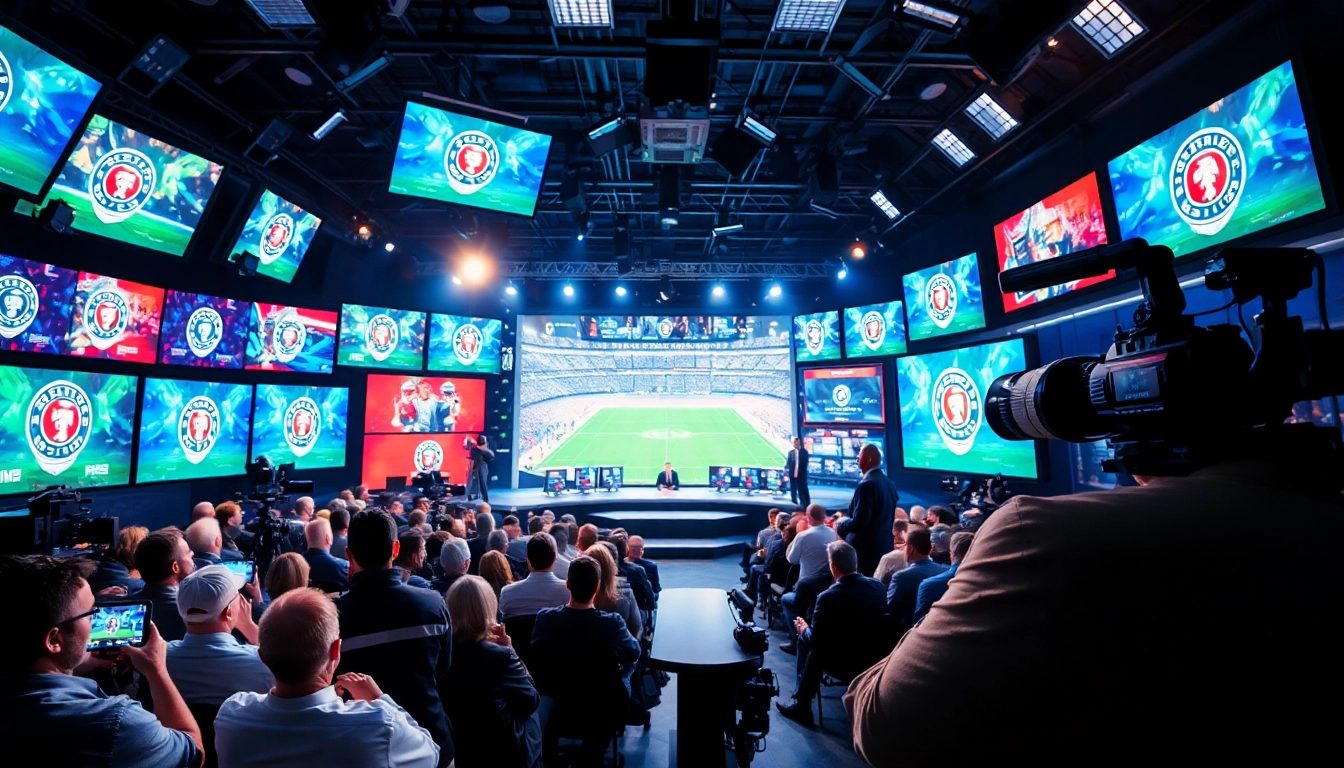
Understanding Sports Broadcasting
What is Sports Broadcasting?
Sports broadcasting is the process of transmitting live sports events via various media platforms, including television, radio, and streaming services. This industry serves as a bridge between sports organizations and fans, allowing viewers to experience live sports action regardless of their geographical location. By providing commentary, analysis, and pre-game and post-game shows, sports broadcasting enriches the viewing experience. The realm of Sports Broadcasting has evolved significantly over the decades, integrating new technologies and diversifying its formats.
The Evolution of Sports Broadcasting
The history of sports broadcasting can be traced back to the early 20th century when radio first became popular. It transformed how audiences consumed sports, allowing them to follow games live. The advent of television in the 1950s revolutionized sports broadcasting, bringing games into living rooms worldwide. Over time, cable networks introduced specialized sports channels, significantly increasing the variety of sporting events that could be broadcast. The digital age ushered in streaming platforms, which further democratized access to sports content, allowing fans to watch their favorite teams from anywhere at any time.
Key Stakeholders in Sports Broadcasting
Understanding the ecosystem of sports broadcasting involves recognizing various stakeholders, including:
- Sports Networks: Television and streaming services that hold broadcasting rights to specific leagues and events.
- Sports Leagues and Teams: These entities negotiate contracts with broadcasters for airing games and other content.
- Advertisers: Brands that sponsor broadcasts or advertise during games, seeking to reach targeted demographics.
- Viewers: The ultimate consumers of sports content and influencers of broadcasting strategies through their preferences and viewership patterns.
Technological Innovations in Sports Broadcasting
Impact of Streaming Services on Sports Broadcasting
Streaming services have transformed how sports are consumed. Platforms like ESPN+, Amazon Prime Video, and others offer live sports with an on-demand viewing experience, changing traditional viewing habits. The rise of subscription-based models allows networks to generate revenue through direct consumer relationships, circumventing traditional cable channels. This shift has also led to innovations in how games are presented, such as multiple camera angles, enhanced interactive graphics, and real-time statistics.
Augmented and Virtual Reality in Sports Broadcasting
Augmented Reality (AR) and Virtual Reality (VR) are emerging technologies that promise to redefine fan engagement in sports broadcasting. AR overlays digital information onto the real world, allowing viewers to gain insights into player statistics and game strategies through their devices. Meanwhile, VR can create immersive experiences where fans feel as if they are in the stadium, enhancing their emotional connection to the event. These technologies are not only enhancing the viewer experience but also providing broadcasters with novel monetization opportunities.
Data Analytics and Sports Broadcasting
The use of data analytics in sports broadcasting has become essential in enhancing viewer engagement. Data collection enables broadcasters to deliver personalized content, including tailored highlights and analytics based on viewer preferences. Advanced metrics can also offer deeper insights into game performance, helping analysts provide well-informed commentary. This strategic use of data not only enriches the viewing experience but also helps networks and advertisers engage fans more effectively.
Audience Engagement in Sports Broadcasting
Strategies to Enhance Viewer Experience
Enhancing viewer experience is crucial for broadcasters looking to retain and grow their audience. Strategies may include offering multi-lingual commentary, providing viewer-direct interactions via polls or quizzes, and creating supplementary content like behind-the-scenes access to teams. Engaging viewers through contests and giveaways can also promote interactivity and foster a sense of community among fans.
The Role of Social Media in Sports Broadcasting
Social media platforms have become integral to sports broadcasting, serving as channels for real-time updates and discussions. Fans use platforms like Twitter, Facebook, and Instagram to comment on games and interact with each other, making the viewing experience more interactive. Broadcasters leverage social media to promote their content, share highlights, and respond to viewer comments, thereby increasing engagement. This two-way communication helps build loyalty and extends the reach of broadcasts beyond traditional viewership metrics.
Interactive Features for Increased Engagement
Interactive features play an important role in modern sports broadcasting. These include live chats, real-time polls, and integrated social media feeds. Such innovations allow viewers to participate actively in the broadcast rather than simply spectating. Interactive app features enable fans to select camera angles, access in-depth stats, or even vote for the ‘Player of the Game’ during live broadcasts. These features not only enhance viewer engagement but also provide valuable data to broadcasters about audience preferences.
Challenges Facing Sports Broadcasting Today
Regulatory Issues in Sports Broadcasting
The sports broadcasting sector faces numerous regulatory challenges. Different countries have varying laws regarding the broadcasting of live sports, particularly with respect to rights distribution and advertising. In an era of rapid digital transformation, adapting to these regulations while simultaneously meeting changing consumer demands poses a significant challenge for broadcasters. Compliance with licensing agreements and intellectual property rights remains critical in this competitive landscape.
Competition from Alternative Media
Competition for viewer attention extends beyond traditional broadcasting networks to include social media platforms, YouTube channels dedicated to sports commentary, and gamer streams. This landscape forces traditional broadcasters to innovate continuously and diversify their offerings to remain relevant. With younger audiences preferring diverse content consumption methods, broadcasters must evolve and adapt to cater to this emerging audience.
Maintaining Viewer Loyalty
Viewer loyalty is increasingly difficult to attain in a fragmented media landscape. With numerous options available, retaining audience attention requires innovative strategies and compelling content offerings. Broadcasters need to consistently deliver high-quality visuals, engaging commentary, and interactive experiences to foster loyalty. Additionally, understanding audience preferences through analytics is essential for tailoring content and enhancing long-term viewer engagement.
The Future Landscape of Sports Broadcasting
Emerging Trends to Watch
Several emerging trends are likely to define the future landscape of sports broadcasting. The growth of direct-to-consumer models will push traditional networks to adapt to an on-demand culture. Content personalization through AI-driven recommendations will allow broadcasters to cater uniquely to individual viewer preferences. Moreover, the convergence of eSports and traditional sports broadcasting presents a unique opportunity for engagement with a younger audience, blending traditional sports with competitive gaming.
Investment Opportunities in Sports Broadcasting
Investment opportunities in the sports broadcasting sector are manifold. As the industry evolves, companies are looking to invest in advanced technologies like AI, machine learning, and immersive experiences. Investments in innovative platforms that combine sports content with gamification and interactive features can yield high returns. Furthermore, collaborations between tech companies and sports leagues for licensing agreements hold significant potential in the rapidly changing media landscape.
Preparing for the Next Generation of Sports Broadcasting
To prepare for the next generation of sports broadcasting, stakeholders must prioritize technology integration and innovation. Training for workforce adaptation to new technologies like AI, VR, and interactive broadcasting tools will be crucial. Broadcasters should also commit to researching audience preferences to tailor their offerings effectively. Fostering partnerships with tech companies can lead to creative solutions that enhance user experiences and position networks for sustained success.
FAQs:
What is Sports Broadcasting?
Sports broadcasting refers to the live transmission of sports events via television, radio, or streaming services.
What technologies are shaping the future of Sports Broadcasting?
Technologies like streaming services, VR, AR, and data analytics are critically transforming Sports Broadcasting.
How does social media influence Sports Broadcasting?
Social media enhances audience engagement, allowing fans to interact and share experiences during broadcasts.
What challenges does the sports broadcasting industry face?
Key challenges include regulatory issues, increased competition, and the need to retain viewer loyalty.
What trends should we watch in Sports Broadcasting?
Emerging trends include the rise of subscription models and partnerships between sports leagues and tech companies.