Understanding Aspergeklauwen Kopen
Asparagus, known as “asperge” in Dutch, is a culinary delight cherished for its unique flavor and nutritional benefits. When considering asparagus cultivation, one of the essential choices is whether to plant seeds or opt for established root structures known as aspergeklauwen. This article will delve into the intricacies of aspergeklauwen kopen, exploring their benefits, how they differ from seeds, and practical advice for successful cultivation.
What Are Aspergeklauwen?
Aspergeklauwen are not simple seedlings; they are mature root structures harvested from two-year-old asparagus plants. These root systems allow gardeners to bypass the lengthy process of growing asparagus from seed, ensuring a quicker harvest. The term “klauwen” refers to the paw-like structure of the roots that effectively anchors the plants into the soil. Each klauw typically produces multiple shoots, which grow into the beloved asparagus spears we enjoy.
Benefits of Buying Aspergeklauwen
Purchasing aspergeklauwen provides several advantages:
- Time Efficiency: As mentioned, growing asparagus from klauwen allows for earlier yields compared to seeds, which can take three years or more to produce a harvest.
- Higher Success Rates: Established root systems are more resilient and have a better survival rate in adverse conditions, reducing the chances of crop failure.
- Variety Selection: Aspergeklauwen are available in various popular varieties, such as the green ‘Gijnlim’ and the white ‘Argenteuil,’ allowing for tailored gardening experiences.
How Aspergeklauwen Differ from Seeds
While both seeds and klauwen can be used to grow asparagus, they differ significantly in several aspects:
- Growth Time: Seeds require a longer period to germinate and develop into mature plants, whereas klauwen allow for immediate planting and quicker returns.
- Plant Care: Klauwen experience less initial stress and have a better chance of healthy establishment, while seedlings may need specific conditions and care to thrive.
- Investment: Although initial costs for klauwen can be higher, the investment pays off sooner with harvested crops, making it a financially savvy choice in the long run.
Choosing the Right Aspergeklauwen
Factors to Consider When Purchasing Aspergeklauwen
When selecting aspergeklauwen, consider the following factors:
- Variety: Different varieties thrive in varying climates and soil types. It’s crucial to choose a type suitable for your local environment.
- Source: Purchase from reputable nurseries or online retailers that specialize in asparagus cultivation to ensure quality and disease-free plants.
- Age: Look for 2-year-old klauwen; they are more mature and ready for successful planting, compared to younger options.
Popular Varieties of Aspergeklauwen
Some widely appreciated varieties include:
- Gijnlim: A popular green variety known for its high yield and resistance to diseases.
- Argenteuil: This white asparagus variety is characterized by its tender texture and sweet flavor.
- Precoce D’Argenteuil: Known for its early harvest time and excellent taste.
Where to Buy Quality Aspergeklauwen
Quality sources for aspergeklauwen include specialized garden centers, reputable nurseries, and online platforms such as Zaadhandel Van der Wal or Moestuinenbloem. Before making a purchase, verify reviews and seek out recommendations to ensure you’re buying from a trusted supplier.
Planting and Caring for Aspergeklauwen
Ideal Conditions for Planting Aspergeklauwen
Aspergeklauwen thrive best in well-drained, sandy loam soils with a pH between 7.0 and 7.5. They require full sun exposure for optimal growth. It’s advisable to prepare the soil ahead by adding organic matter, like compost, to enhance fertility.
Step-by-Step Guide to Planting Aspergeklauwen
Follow these steps for successful planting:
- Prepare the Site: Clear the area of weeds and debris.
- Dig Trenches: Create trenches about 12 inches deep and 4 feet apart.
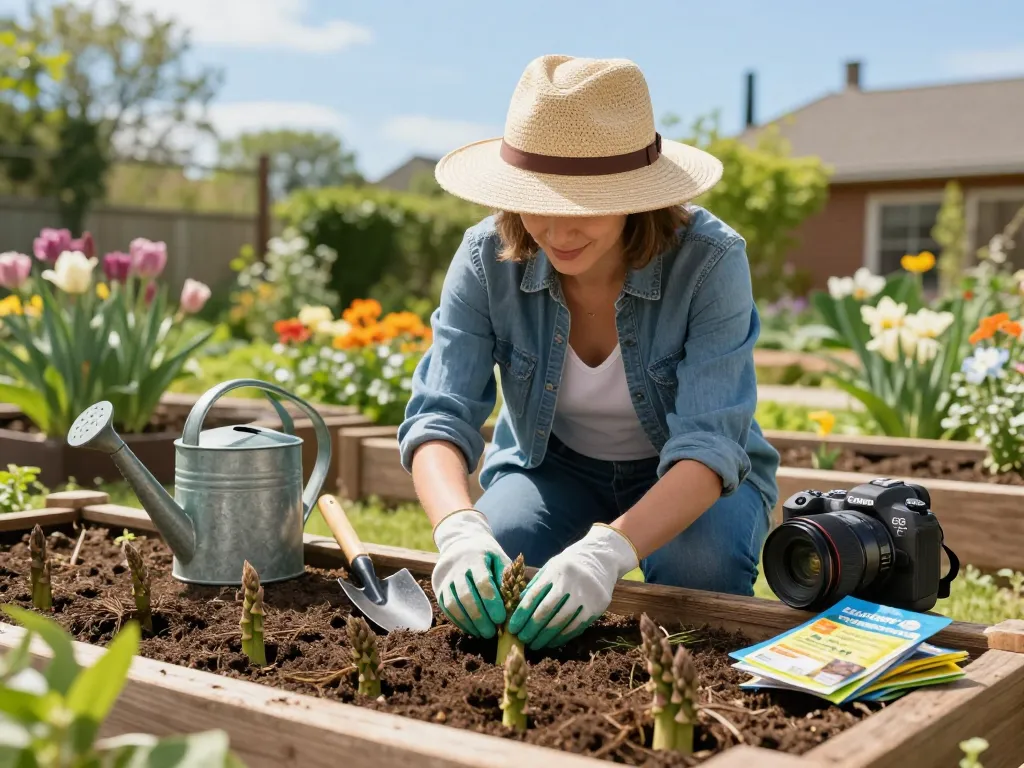
- Place Klauwen: Lay the klauwen horizontally in the trench, covering them lightly with soil.
- Water Appropriately: After planting, give them a good soak to settle the soil around the roots.
- Mulch: Apply a layer of mulch to retain moisture and suppress weeds.
Maintaining Healthy Asparagus Plants
Regular care is essential for your asparagus plants. Maintenance includes:
- Fertilization: Use a balanced fertilizer during the growing season.
- Watering: Ensure consistent moisture, especially during dry spells.
- Weed Control: Keep the area weed-free to reduce competition for nutrients.
Common Challenges with Aspergeklauwen
Pest Management for Aspergeklauwen
Asparagus plants face common pests like asparagus beetles and aphids. Regular inspection is vital, and organic insecticides can be effective in management. Introducing beneficial insects can also help keep pest populations in check.
Common Diseases Affecting Asparagus Plants
Diseases such as asparagus rust and Fusarium wilt can pose significant threats. To minimize risks, rotate your crops and ensure proper spacing for air circulation. Plant disease-resistant varieties whenever possible.
Seasonal Challenges and Solutions
Asparagus cultivation can be challenging with seasonal fluctuations. In colder climates, consider a cold frame or cloche for early growth. In warmer regions, ensure adequate watering during long dry spells to support healthy growth.
Future of Asparagus Cultivation
Trends in Asparagus Farming for 2026
As we approach 2026, asparagus cultivation is expected to embrace innovative farming techniques, including hydroponics and vertical farming systems, which promise higher yields with reduced resource use.
Innovative Gardening Techniques for Aspergeklauwen
Utilizing technology for precision agriculture can greatly enhance asparagus farming. Soil moisture sensors and automated irrigation systems allow for better water management and optimal growth conditions.
Environmental Considerations for Sustainable Cultivation
With environmental concerns on the rise, sustainable practices such as organic farming, cover cropping, and integrated pest management are increasingly important in asparagus cultivation. These methods not only protect the environment but also produce healthier crops.