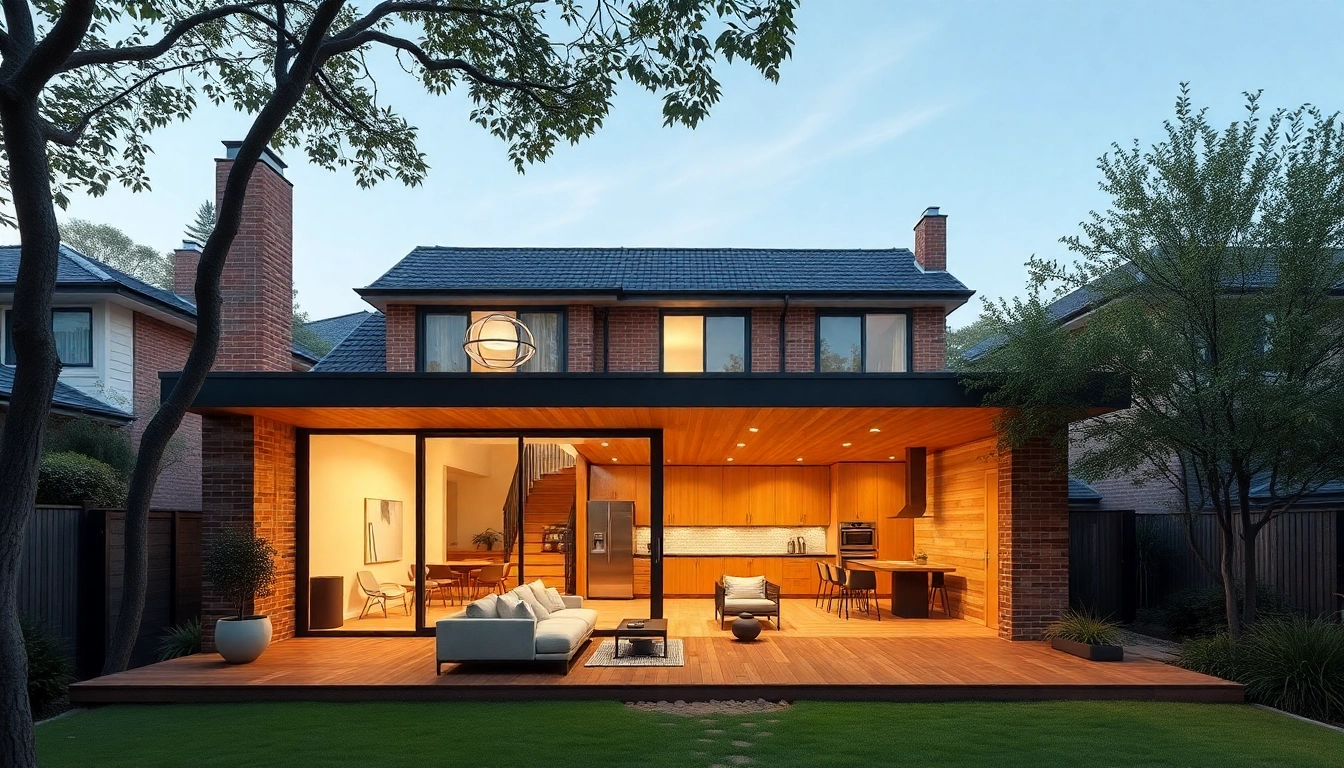
Understanding House Extension Construction
In today's dynamic real estate market, homeowners are increasingly considering house extension construction as a viable option to enhance their living spaces without the upheaval of moving. This approach not only meets the growing needs of families but also boosts property value in a competitive market. A well-executed house extension can transform your home, making it more functional and aligned with your lifestyle. In this comprehensive guide, we will delve into the intricacies of house extension construction, covering everything from planning and design to execution and final touches.
What is House Extension Construction?
House extension construction involves adding new structures or modifying existing spaces in a residential property to create additional living areas. This could range from simple modifications, such as adding a small bathroom, to more elaborate expansions, including multi-story structures or open-plan living spaces. The objective is to maximize utility and comfort without relocating, which can be both stressful and expensive.
Why Choose House Extensions Over Moving?
Choosing a house extension over moving can be a beneficial decision for several reasons. Firstly, house extensions can often be more cost-effective than purchasing a new property, especially in high-demand areas. Additionally, extensions allow homeowners to stay in familiar neighborhoods, where they may have established roots and community ties. They also provide the opportunity to customize their living space, making it truly unique and tailored to their needs.
Common Types of House Extensions in Melbourne
In Melbourne, the most popular types of house extensions include:
- Single-Storey Extensions: Ideal for adding more living space to the home without significantly altering its height.
- Double-Storey Extensions: These extensions add another level to the home, often increasing the number of bedrooms and bathrooms.
- Side Return Extensions: Effective for maximizing space in narrow properties, these extensions take advantage of side yards.
- Conservatories or Sunrooms: These are great for bringing light into the home and providing additional relaxation areas.
Planning Your House Extension
Proper planning is crucial for a successful house extension. It allows homeowners to design an extension that meets their needs while complying with local regulations.
Defining Your Needs and Goals
Before embarking on a house extension project, it’s essential to define your needs clearly. Consider the purpose of the extension: Is it to create more living space for a growing family, to include a home office, or to enhance your kitchen? Understanding your goals will guide the design and construction process.
Setting a Realistic Budget for Your Extension
Budgeting is a critical part of planning your house extension. It’s important to consider not only construction costs but also potential expenses for permits, design, and any unforeseen contingencies. Discuss these aspects with your builder to gain a complete picture of the financial commitment involved.
Navigating Permits and Regulations in Melbourne
Melbourne has specific building regulations that must be adhered to when planning a house extension. This may include obtaining permits that outline the scope of work and ensuring that the design aligns with the local council's guidelines. Engaging with a professional builder who is familiar with these regulations can help streamline the process.
The House Extension Construction Process
The construction process for house extensions can be detailed and complex. Understanding the key phases involved can help homeowners prepare for what's to come.
Initial Consultation and Project Design
The first step in the construction process involves an initial consultation with your builder. During this meeting, you’ll discuss your vision, requirements, and budget. The builder will then create preliminary designs and plans that align with your goals and adhere to local regulations.
Site Preparation: What to Expect
Once designs are finalized, site preparation begins. This may include clearing the area, demolishing any existing structures, and setting up the foundation for the new extension. Proper site preparation is crucial for ensuring the stability and safety of the new build.
Step-by-Step Construction: From Framing to Finishing
The construction phase follows site preparation, which typically includes several steps:
- Framing: Builders erect the framework for the extension, ensuring it aligns with the existing structure.
- Structural Work: This phase includes reinforcing walls and roofs, ensuring the extension meets safety standards.
- Electrical and Plumbing Installation: Essential utilities are installed, allowing for a functional living space.
- Internal Finishing: This final phase involves plastering, painting, and fitting fixtures, bringing the new extension to life.
Key Features to Include in Your Extension
When planning your house extension, consider incorporating features that enhance both functionality and aesthetics.
Designing Open-Plan Living Areas
Open-plan layouts are highly sought after in modern homes. They create a spacious feel and promote family interaction, making them ideal for contemporary living. Consider how an open-plan design can be integrated into your extension.
Incorporating Custom Kitchen Designs
A kitchen extension is an excellent opportunity to reimagine this crucial space. Consider custom cabinets, energy-efficient appliances, and an open layout that encourages interaction during meal preparation.
Adding Luxury Bathrooms and Sustainable Features
Modern homeowners increasingly seek luxurious bathrooms that provide a spa-like experience. Features such as walk-in showers, double vanities, and high-end finishes can elevate the space. Additionally, incorporating sustainable features like energy-efficient windows and solar panels can reduce your carbon footprint and utility bills.
Choosing the Right Builder for Your Extension
Choosing the right builder is one of the most critical decisions you will make during the house extension process. A competent builder can make the difference between a smooth project and a stressful experience.
Qualities of a Reliable House Extension Builder
When selecting a builder, look for qualities such as experience in house extensions, solid credentials, and positive reviews from past clients. A good builder should also be transparent about costs, timelines, and the construction process.
Questions to Ask Your Builder Before Signing
Before finalizing your contract, it’s important to ask your builder several key questions, including:
- What is your estimated timeline for the project?
- Can you provide references from previous clients?
- How do you handle unexpected costs or changes to the project?
Understanding Cost Breakdown for House Extensions
Costs for house extensions can vary significantly based on size, scope, and materials used. A general breakdown might include:
- Design and Permits: 10-15% of the total budget.
- Construction Costs: 60-70% of the total budget.
- Interior Finishes: 10-20% of the total budget.
Discussing these aspects early with your builder can help you allocate your budget effectively.
Benefits of a House Extension
A house extension brings numerous benefits, including:
- Increased Property Value: A well-executed extension can significantly enhance your home's market value.
- Improved Living Space: Extensions can provide the additional room necessary for a growing family.
- Personalization: Homeowners can customize their living spaces to reflect their style and needs.
Tips for a Smooth House Extension
To ensure your house extension goes smoothly, consider the following tips:
- Define Your Needs: Clearly outline what you want from the extension before starting the process.
- Set a Budget: Be realistic about your financial capabilities to avoid stress later on.
- Get Permits and Approvals: Ensure all necessary permissions are in place from the outset to avoid delays.
- Hire a Reliable Builder: Choose a builder with a proven track record in house extensions.
With careful planning and a trustworthy builder, a house extension construction can be a transformative journey for your Melbourne home. By expanding your living space, enhancing functionality, and tailoring the design to your needs, you can create a home that not only meets your current lifestyle but also adapts to future changes.