
Understanding Classic Games: A Nostalgic Journey
The world of gaming has always been marked by significant milestones—moments when groundbreaking titles shifted the landscape and created lasting memories. Classic games hold a unique position in this timeline, resonating deeply with both those who played them in their youth and newcomers curious about gaming’s rich history. From the pixelated adventures of the 8-bit era to the emotional narratives of 16-bit classics, these games are more than just entertainment; they are a cultural phenomenon that encapsulates the essence of childhood joy and camaraderie. When exploring options, classic game collections can help you dive back into this nostalgic experience.
What Defines a Classic Game?
A classic game is typically defined by its enduring popularity and influence over the years. These titles often introduce innovative gameplay mechanics or storytelling techniques that set trends within the gaming industry. They might evoke memories of simpler times, often eliciting nostalgia among those who played them during their formative years. Games like “Super Mario Bros.” and “The Legend of Zelda” not only define their genres but also provide insights into the cultural zeitgeist of their respective eras.
The Evolution of Gaming: From Childhood to Today
Gaming has evolved significantly since its inception, transitioning from arcade cabinets to home consoles and now to mobile devices. Each era brings new advancements in technology, graphics, and gameplay while nurturing the classic titles that define gaming history. The introduction of emulators has made it easier than ever for gamers to revisit these beloved titles, preserving the legacy of classic games for future generations. As technology continues to advance, the way we play and experience these classics also changes, highlighting their relevance in modern gaming culture.
Why Classic Games Remain Relevant in 2026
As we move further into the digital age, the appeal of classic games remains undiminished. They offer a break from the complexities of modern gaming, often featuring straightforward mechanics and compelling stories that resonate with players of all ages. Additionally, the rise of nostalgia-driven marketing and remastered editions of classic games has introduced these titles to new audiences. In 2026, we see a burgeoning interest in retro gaming culture, with events, online communities, and re-releases celebrating these timeless classics.
Top Classic Games to Rediscover in 2026
For both seasoned gamers and newcomers alike, rediscovering classic titles can be an enriching experience. Here’s a look at some essential games that should not be missed in 2026.
Essential Titles Every Gamer Should Experience
- Super Mario Bros. (1985): This iconic platformer revolutionized the gaming industry and remains a beloved classic.
- The Legend of Zelda (1986): A groundbreaking action-adventure game that combined exploration, puzzles, and combat.
- Tetris (1984): A simple yet addictive puzzle game that has transcended generations, inspiring countless variations.
- Pac-Man (1980): A cultural icon, Pac-Man’s maze-chase gameplay captured the hearts of players worldwide.
- Street Fighter II (1991): This fighting game set the standard for competitive gaming and remains popular in various forms today.
Iconic Genres: What Makes Classic Games Timeless?
Classic games often belong to iconic genres that have stood the test of time. Platformers, role-playing games (RPGs), and puzzle games all contribute to the landscape of gaming history. These genres typically feature engaging mechanics and memorable characters that continue to capture new players’ imaginations. The simplicity of their design often allows for easy accessibility, making them appealing to a wide demographic.
Popular Classic Games Across Different Platforms
Classic games can be found on a variety of platforms, from early home consoles like the Atari 2600 to modern emulators. Each platform offers a unique way to experience these games, with some providing enhanced graphics and smoother gameplay. For instance, the Nintendo Switch Online service allows players to access a library of classic titles, while various websites host classic games that can be played directly in a browser.
Engaging with the Classic Gaming Community
The classic gaming community is vibrant and welcoming, offering numerous opportunities for enthusiasts to connect, share, and celebrate their love for retro games. Whether you’re looking to engage in discussions or participate in local events, there are options for everyone.
Online Forums and Social Media Groups for Gamers
Platforms like Reddit and Discord have communities dedicated to classic gaming, where fans can share experiences, recommend titles, and engage in discussions about their favorite games. Participating in these forums can enhance your appreciation for classic games, as members often share valuable insights and tips.
Local Meetups and Events Celebrating Classic Games
Attending local gaming events and conventions can provide a sense of camaraderie among classic game enthusiasts. Many cities host retro gaming expos, tournaments, and meet-ups where players can try out classic titles, share stories, and even trade retro games. These events are a great way to connect with other fans and immerse yourself in the culture of retro gaming.
How to Host Your Own Classic Game Night
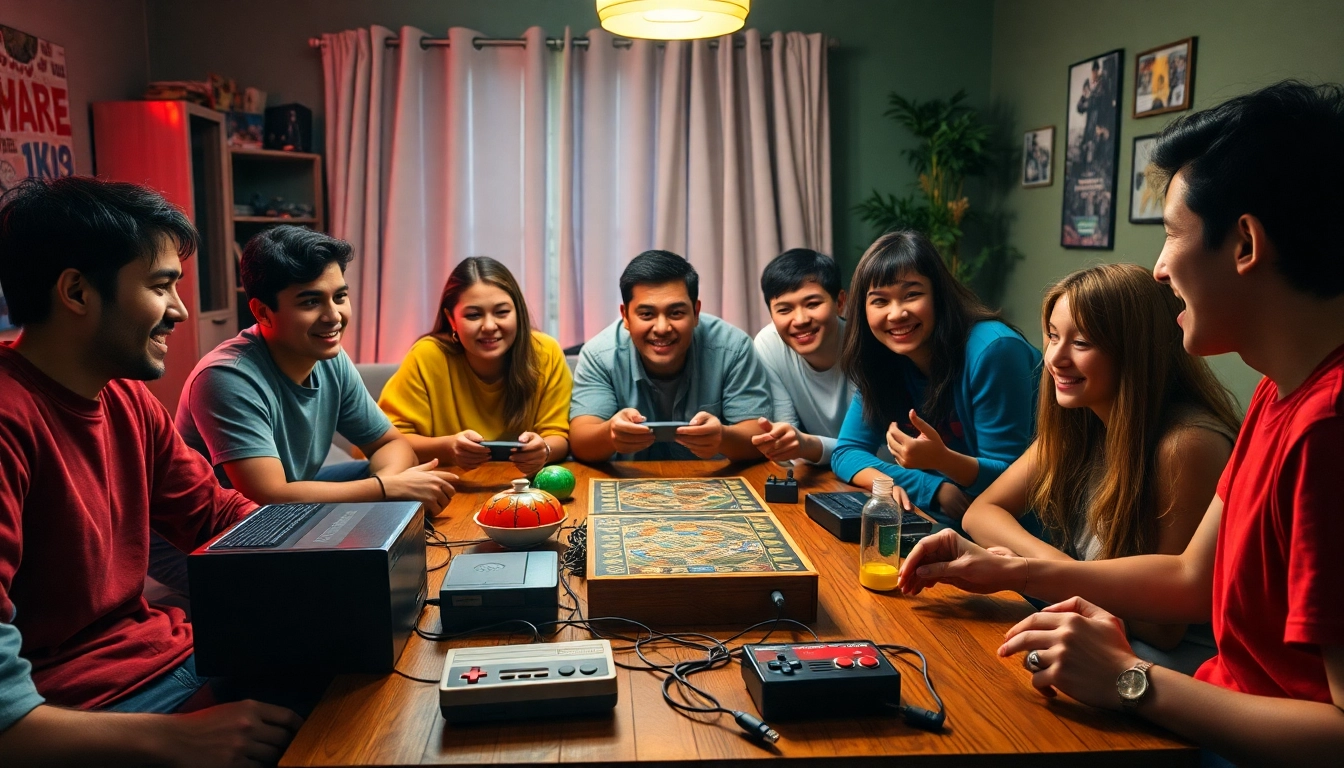
Creating your own classic game night can be a fun way to bring friends and family together. Start by selecting a few classic titles that everyone can enjoy. Set up multiple gaming stations with different consoles or emulators to cater to various preferences. Consider incorporating themed snacks and decorations to enhance the experience. Finally, encourage friendly competition with mini-tournaments or challenges to keep everyone engaged.
The Benefits of Playing Classic Games
Playing classic games isn’t just enjoyable; it also offers numerous cognitive and social benefits that can enrich players’ lives.
Cognitive and Social Skills Enhanced Through Gaming
Engaging in classic games can improve cognitive skills such as problem-solving, hand-eye coordination, and strategic thinking. Many classic titles require players to think critically and adapt their strategies as they progress. Additionally, gaming can provide social benefits, fostering teamwork and communication when played in multiplayer settings.
The Therapeutic Value of Nostalgia in Gaming
Nostalgia plays a significant role in the enjoyment of classic games, evoking fond memories of childhood and shared experiences with friends and family. This emotional connection can provide a sense of comfort and enjoyment, making classic games a valuable tool for relaxation and stress relief.
Creating Lasting Memories with Family and Friends
Classic games often facilitate bonding moments with loved ones, whether through cooperative gameplay or friendly competition. These shared experiences can create lasting memories, reinforcing social connections and promoting a sense of belonging.
The Future of Classic Gaming: Trends and Innovations
The landscape of classic gaming continues to evolve, with new trends and technologies shaping how players access and enjoy retro titles.
The Rise of Retro Game Remakes and Collections
In recent years, there has been a resurgence of interest in retro games, leading to remakes and collections of beloved titles. Companies are investing in revitalizing classic games for modern consoles, ensuring that both new and established fans can experience these titles with enhanced graphics and gameplay, while still honoring the original charm.
Advancements in Technology: How They Affect Classic Gaming
Emerging technologies such as virtual reality (VR) and augmented reality (AR) have the potential to transform the way classic games are experienced. By blending nostalgic gameplay with cutting-edge technology, developers can create immersive experiences that appeal to both classic fans and newcomers alike.
Forecasting the Evolution of Classic Games in the Coming Years
As gaming technology continues to advance, classic games will remain an integral part of the industry. Their ability to evoke nostalgia and connect players across generations ensures that they will continue to be celebrated and reimagined for years to come. The future of classic gaming is bright, with opportunities for innovation and community engagement that will keep the spirit of these beloved titles alive.